Wedding at Cana, Institution of the Eucharist, and Resurrection Mural
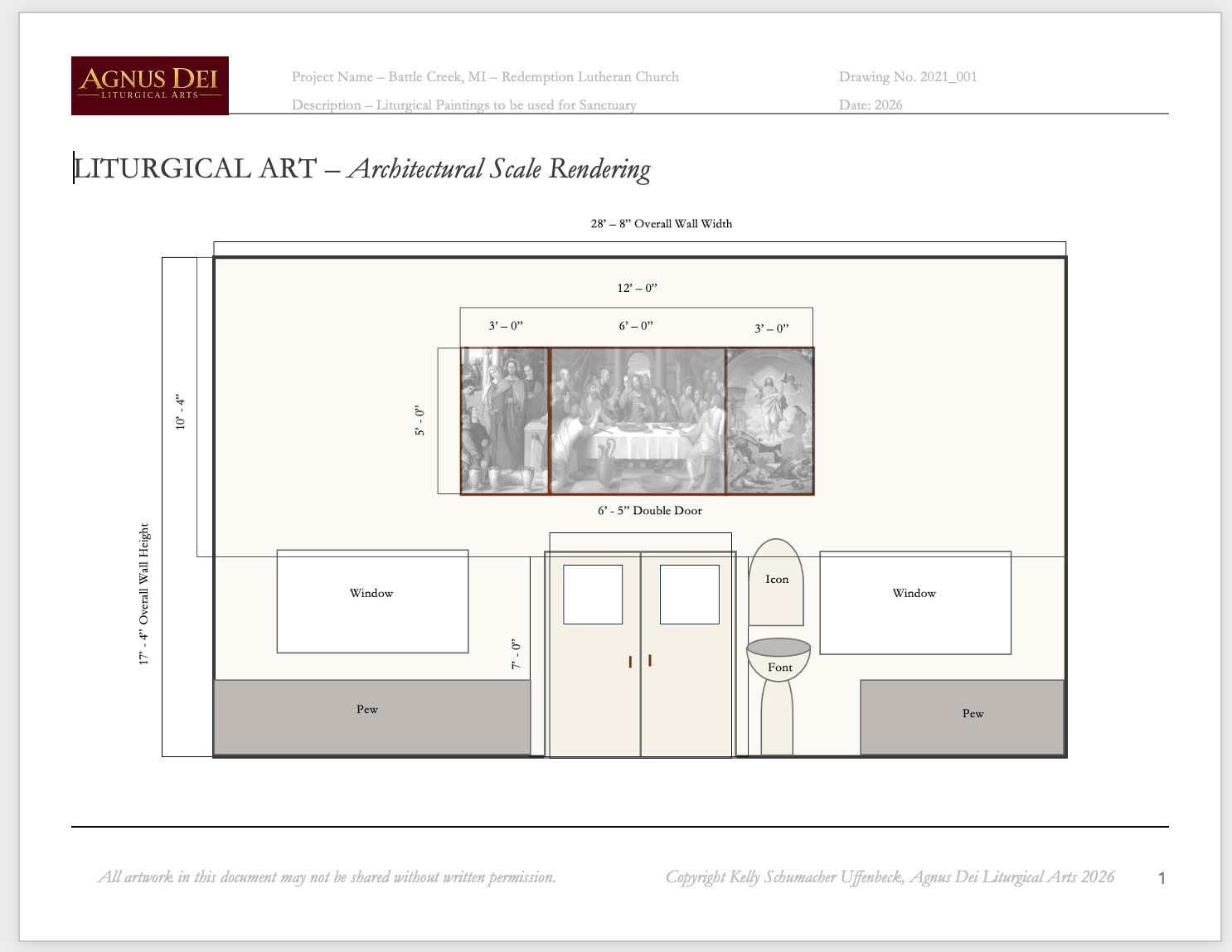
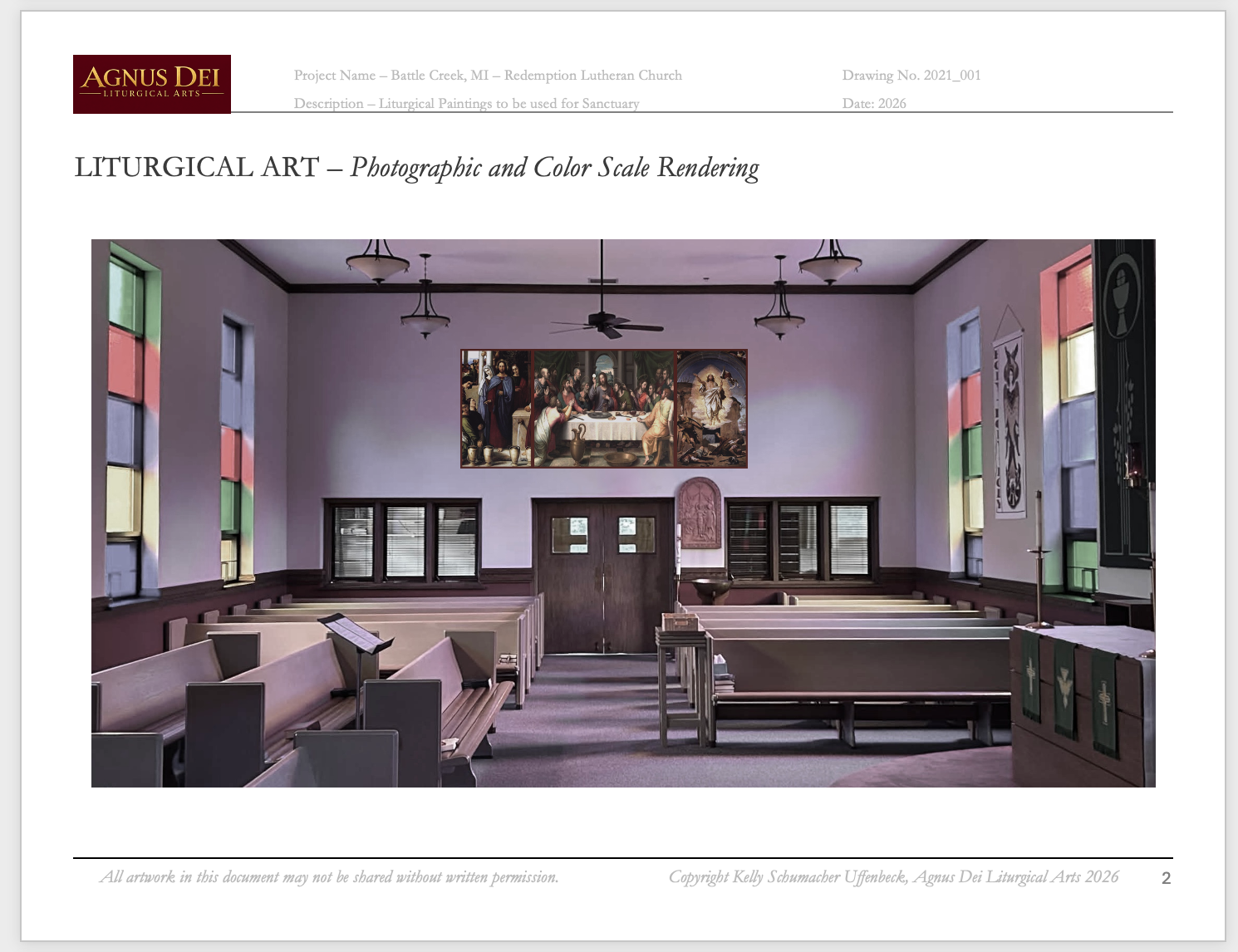
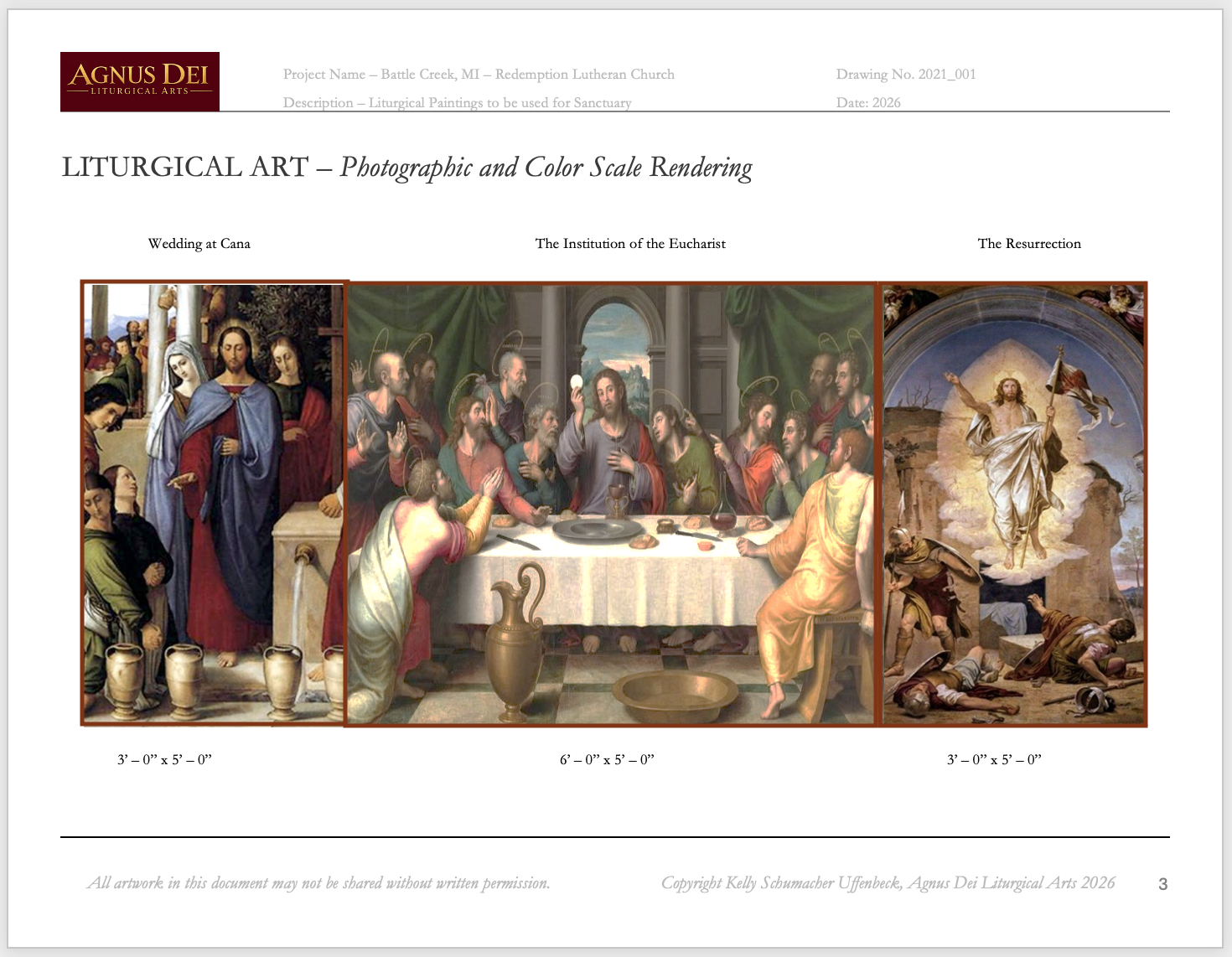
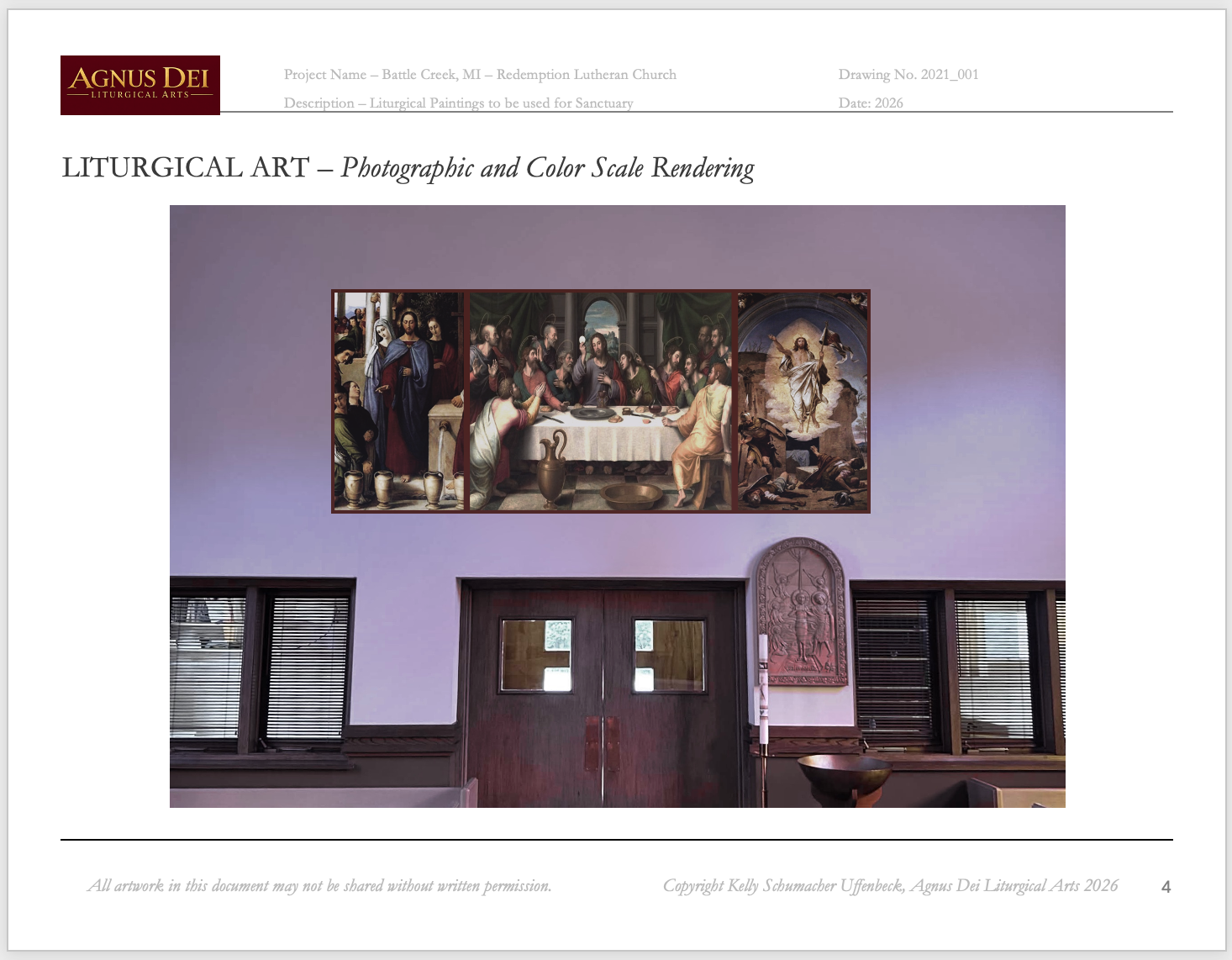
Sacred art benefits church communities by helping people encounter God through beauty, deepen their faith, understand the Gospel, and feel connected to the life of the Church. Sacred art transforms church buildings into places that teach, inspire, and invite prayer. For a church community, sacred art is not simply decoration. It is a visual expression of the faith that a congregation shares.
1. It draws people closer to God Sacred art invites people to pause, contemplate, and enter into prayer. A beautiful image of Christ or a biblical scene can help members become more attentive to God's presence. Art creates an atmosphere of reverence and encourages a deeper encounter with the sacred.
2. Catechesis through images Before many people could read, churches used paintings, mosaics, icons, and sculpture to communicate Christian doctrine. Sacred art continues this tradition by making the mysteries of the faith visible and memorable. Children, newcomers, and lifelong believers can discover the stories of salvation through images that speak across generations.
3. It enriches the liturgy Sacred art helps communicate the meaning of the Mass, the sacraments, and the liturgical seasons. Images of the Last Supper, the Crucifixion, and the Resurrection direct attention toward the central mysteries celebrated in worship. Art helps the church's architecture, furnishings, music, and prayers form a unified expression of faith.
4. It shows where we belong in God's family Images of saints, patrons, and biblical figures remind congregations that they belong to a much larger spiritual family. Sacred art connects present-day people with generations of Christians who have prayed, suffered, served, and hoped before them. It strengthens a shared identity rooted in faith, tradition, and the communion of saints.
5. It brings comfort and hope Images of Christ's mercy, the sorrowful mother of Jesus, the saints, and the Resurrection can accompany people through grief, illness, uncertainty, and joy. Sacred art offers a visual reminder of God's love and the promise of eternal life, even when words are difficult to find.
6. It preserves beauty and tradition for future generations. Thoughtfully designed sacred art connects a parish to the artistic heritage of Christianity while giving future generations something meaningful to inherit. Murals, icons, and other works can become lasting expressions of a parish's history, devotion, and spiritual aspirations.
7. It renews the life and mission of a church A new mural, restored sanctuary, or thoughtfully commissioned sacred image can help a parish rediscover the meaning of its worship space. The process can invite parishioners to participate, share their stories, and reconnect with the church's mission. Sacred art communicates that the church is investing in its spiritual life and creating a place worthy of prayer, worship, and welcome.
Why sacred art matters especially today?
Many people experience images constantly through phones, screens, and advertising. Sacred art offers something different: an invitation to slow down, look deeply, and contemplate truths that cannot be reduced to a passing image. A church mural can become a quiet companion to prayer. A depiction of Christ welcoming the children can help a young person feel loved. An image of the Resurrection can offer hope to someone who is grieving. A mural of the saints can remind a congregation that holiness is possible in ordinary human lives. The greatest value of sacred art is not merely that it makes a church beautiful. It is that beauty can lead people toward truth, goodness, prayer, and a deeper relationship with God. Sacred art exists to make the invisible mysteries of faith visible through beauty. Through murals, sacred images, and thoughtfully designed church interiors, I seek to create spaces that draw people into prayer, illuminate the Gospel, honor the heritage of the Church, and inspire communities to encounter Christ more deeply. My hope is that every image becomes more than a work of art: that it becomes an invitation to faith, a source of consolation, and a lasting gift to the spiritual life of the parish. Sacred art serves the Church best when beauty and theology work together—when the artwork is visually compelling, faithful to Christian tradition, appropriate to the liturgy, and created with the spiritual needs of the community in mind.
Every Liturgical Commission begins with a prayer and a plan
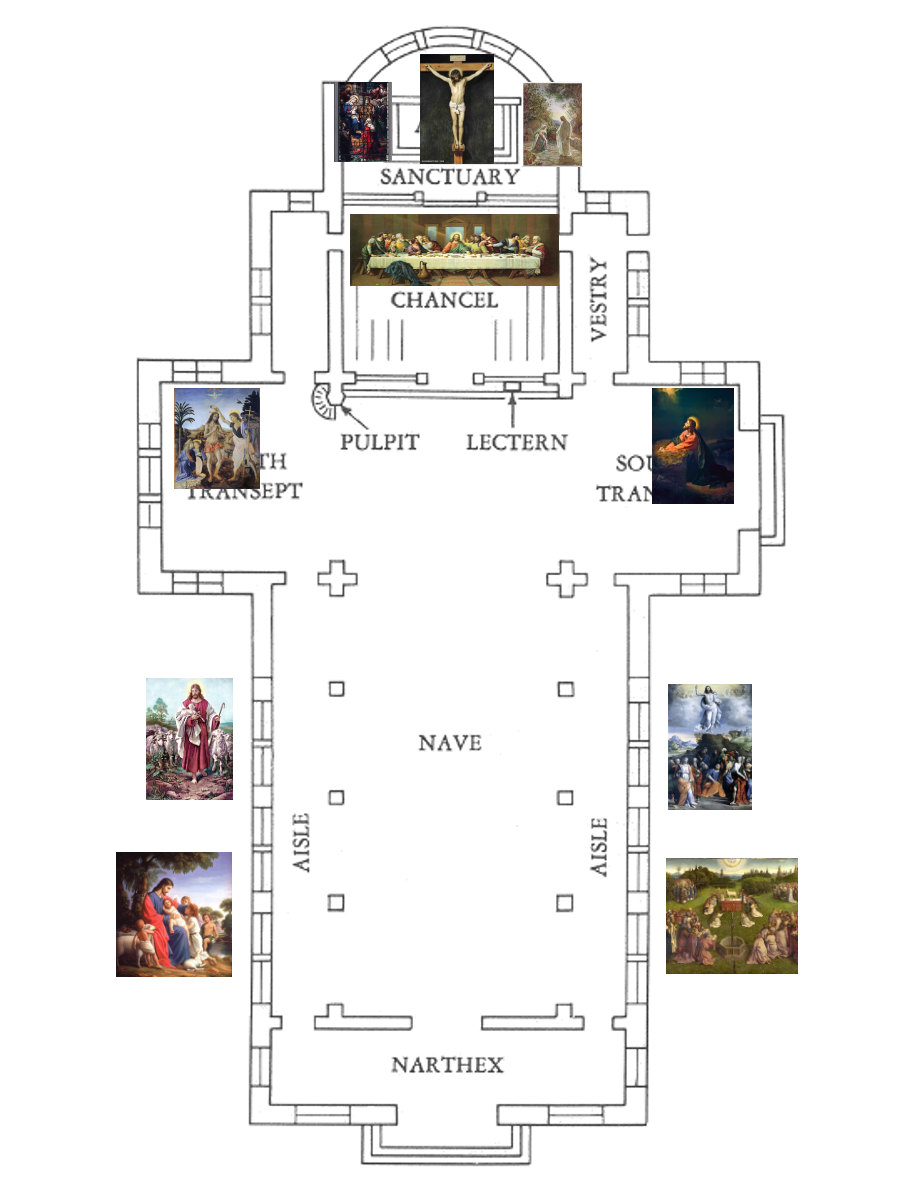
Every painting begins with prayer and a plan. When working with your parish, Agnus Dei strives to spend time in prayer and meditation over each sacred art commission. Through prayer and seeking God’s abundant wisdom, a plan is formed to reverence the shepherding of the pastor/priest and serve the needs of the church. Art for the church is not primarily about the self expression of the artist, though this does come into play, but about how the art can illustrate Christ and His good gifts to His people.
If you are interested in booking a consultation with us, please fill out the form on the CONTACT page. We cannot wait to hear from you!
Quisque iaculis facilisis lacinia. Mauris euismod pellentesque tellus sit amet mollis.